
Over the past several years, the conversation around football safety has evolved dramatically.
What was once centered primarily on concussion protocols and return-to-play guidelines is now expanding into a broader discussion about preventing repetitive head impacts before injuries occur.
Across the United States, lawmakers, athletic associations, coaches, medical professionals, and parents are increasingly exploring the role that supplemental protective equipment, such as soft-shell helmet covers, can play in making football safer.
Several states have already introduced legislation or policy changes, and many more are expected to follow.
For coaches, athletic directors, parents, and school administrators, one question continues to surface:
What do these new laws actually mean?
This guide explains the current legislative landscape, addresses common misconceptions, and outlines what schools should consider as football safety requirements continue to evolve.
Football has never been safer than it is today. Rules have changed, coaching techniques have improved and medical protocols continue to evolve. Equipment technology has advanced significantly.
Yet researchers continue to study the cumulative effects of repetitive head impacts, particularly among young athletes whose brains and bodies are still developing.
Rather than waiting until after injuries occur, many legislators are now asking a different question: How can we reduce unnecessary head impacts before they happen?
That shift has led several states to consider legislation involving supplemental soft-shell helmet covers.
While each proposal differs, the overall trend is clear:
States are increasingly recognizing supplemental helmet protection as one component of a comprehensive football safety strategy.
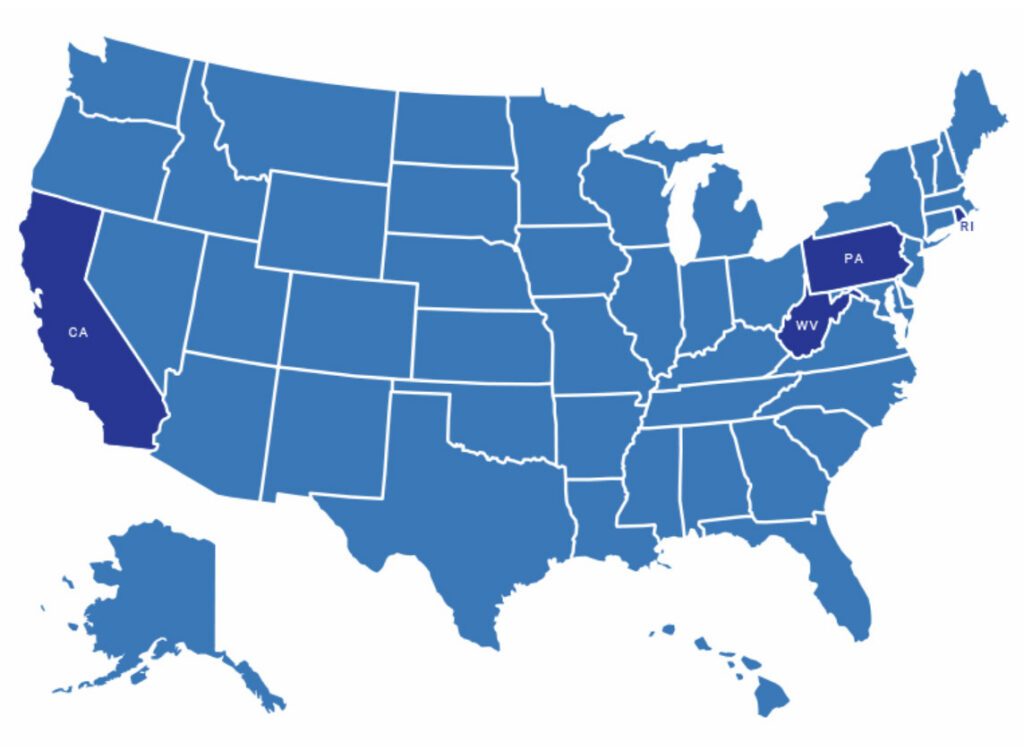
Rhode Island has introduced legislation requiring the use of soft-shell helmet covers for high school football players beginning in 2028, providing schools with additional time to identify funding and prepare for implementation.
The extended timeline recognizes an important reality:
Improving player safety requires planning, budgeting, and collaboration—not simply passing legislation.
West Virginia recently approved legislation allowing individual athletes and schools to utilize supplemental safety-enhancing devices, including soft-shell helmet covers, during football practices.
The legislation provides flexibility while encouraging schools to consider additional layers of protection.
Pennsylvania legislators have introduced similar proposals focused on expanding player safety.
While some media reports have referred to these efforts using the name of a specific product, the legislation itself centers on the broader category of supplemental soft-shell helmet covers rather than a single manufacturer.
That distinction is important.
California’s approach addresses a different challenge.
Legislation was introduced in response to concerns that football helmet warranties could discourage schools or parents from adding supplemental protective equipment.
The proposal seeks to remove barriers that may prevent athletes from utilizing additional protective technologies.
As these stories have spread nationally, many headlines have described them as “Guardian Cap laws.” That is not an accurate representation of how most of these legislative efforts are written.
The vast majority of proposals reference soft-shell helmet covers or similar supplemental protective equipment, not one specific manufacturer.
This distinction matters because legislation should encourage innovation, competition, and informed decision-making.
Schools deserve the opportunity to evaluate the available technologies based on independent testing, performance, durability, fit, ease of use, and overall value.
Player safety should never be reduced to a single brand. Compare SAFR Helmet Covers versus Guardian Cap XT.
For coaches, these developments present an opportunity to proactively evaluate equipment before legislation reaches their state.
Questions every program should consider include:
Preparing early allows programs to make informed decisions rather than rushed ones.
Athletic directors are increasingly balancing player safety with responsible budget management. As legislation expands, schools should begin planning for:
Rhode Island’s delayed implementation acknowledges these financial realities and provides schools additional time to prepare.
Parents want confidence that every reasonable step is being taken to protect their children. It is important to understand that no helmet, helmet cover, or single piece of equipment can eliminate the risk of concussion.
Football safety has always relied on multiple layers of protection, including:
Supplemental helmet covers represent one layer within that broader safety strategy.
Parents should ask thoughtful questions, review available research, and work collaboratively with coaches and school administrators.
As more products enter the marketplace, evaluating available evidence becomes increasingly important. Schools should consider:
Meaningful decisions are made through data, not marketing.
The recent wave of legislation reflects something larger than individual bills. It reflects a nationwide commitment to continuously improving player safety.
Every advancement in coaching, medical care, equipment, and education contributes to a stronger future for the game. The goal is not to change football. The goal is to ensure that future generations can continue enjoying the sport while benefiting from ongoing innovation.
At SAFR Sports, we support efforts that help make football safer.
We also believe schools should have access to transparent information, independent science, and meaningful choice when evaluating supplemental protective equipment.
As legislation continues to evolve across the country, we remain committed to partnering with coaches, athletic directors, parents, medical professionals, and policymakers to advance player safety through tested products, education, innovation, and evidence-based decision-making.
Football has always evolved and player safety should evolve with it.
In recognition of these soon to come policy changes, SAFR is currently running a site wide sale on SAFR Helmet Covers.
Generally, no. Most proposed legislation references soft-shell helmet covers or supplemental protective equipment rather than a specific manufacturer. Schools should review the language of any legislation applicable to their state.
No. No helmet or supplemental helmet cover can eliminate the risk of concussion. These products are intended to reduce head impact forces as one component of a comprehensive football safety strategy.
Not necessarily. Evaluating equipment, budgets, and implementation plans in advance allows programs to make informed decisions and avoid last-minute challenges if requirements are adopted.
If your school, league, or organization has questions about supplemental helmet covers, emerging legislation, or football safety best practices, the SAFR Sports team is here to help. Contact us to discuss your program’s needs (info@safrsports.com) or explore the latest educational resources available.
No. Most legislation references soft-shell helmet covers or supplemental protective equipment rather than one specific manufacturer. Schools should always review the exact language of applicable legislation.
Rhode Island, Pennsylvania, West Virginia, and California have introduced legislation or policy changes related to supplemental helmet protection, with additional states expected to consider similar measures.
Depends on the legislation. Some proposals address practices and others discuss both practices and games. Schools should review the specific requirements in their state.