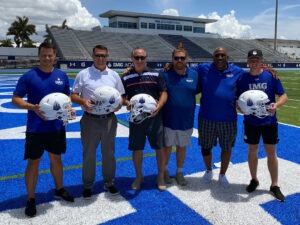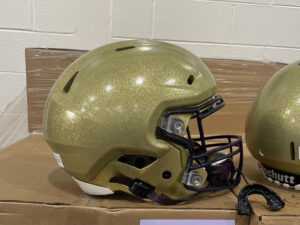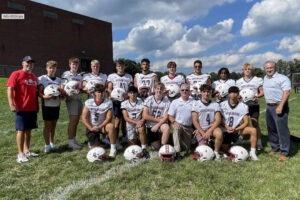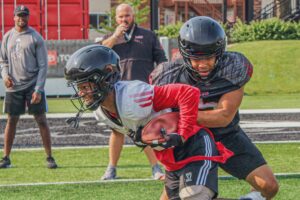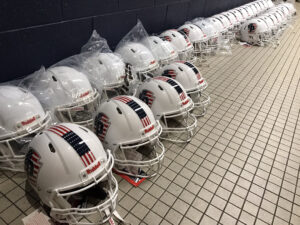

From Practice Gear to Game Day Ready: Why More Football Programs Are Keeping Helmet Covers On
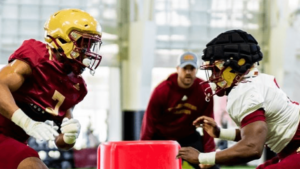
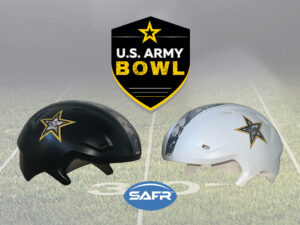
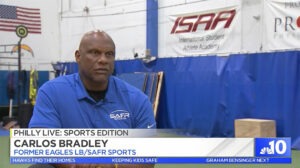
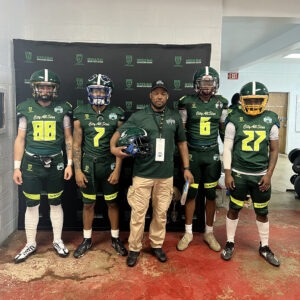
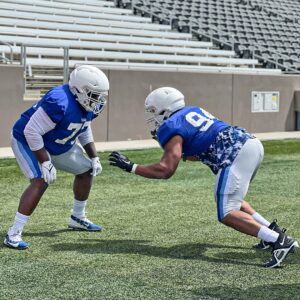
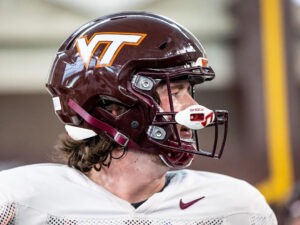
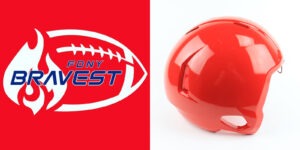
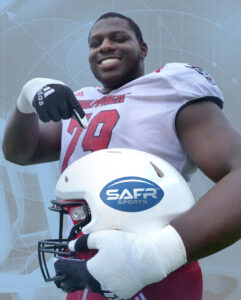
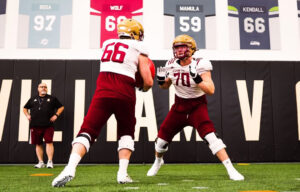
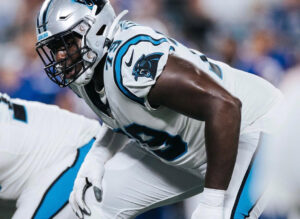
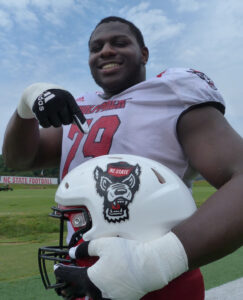
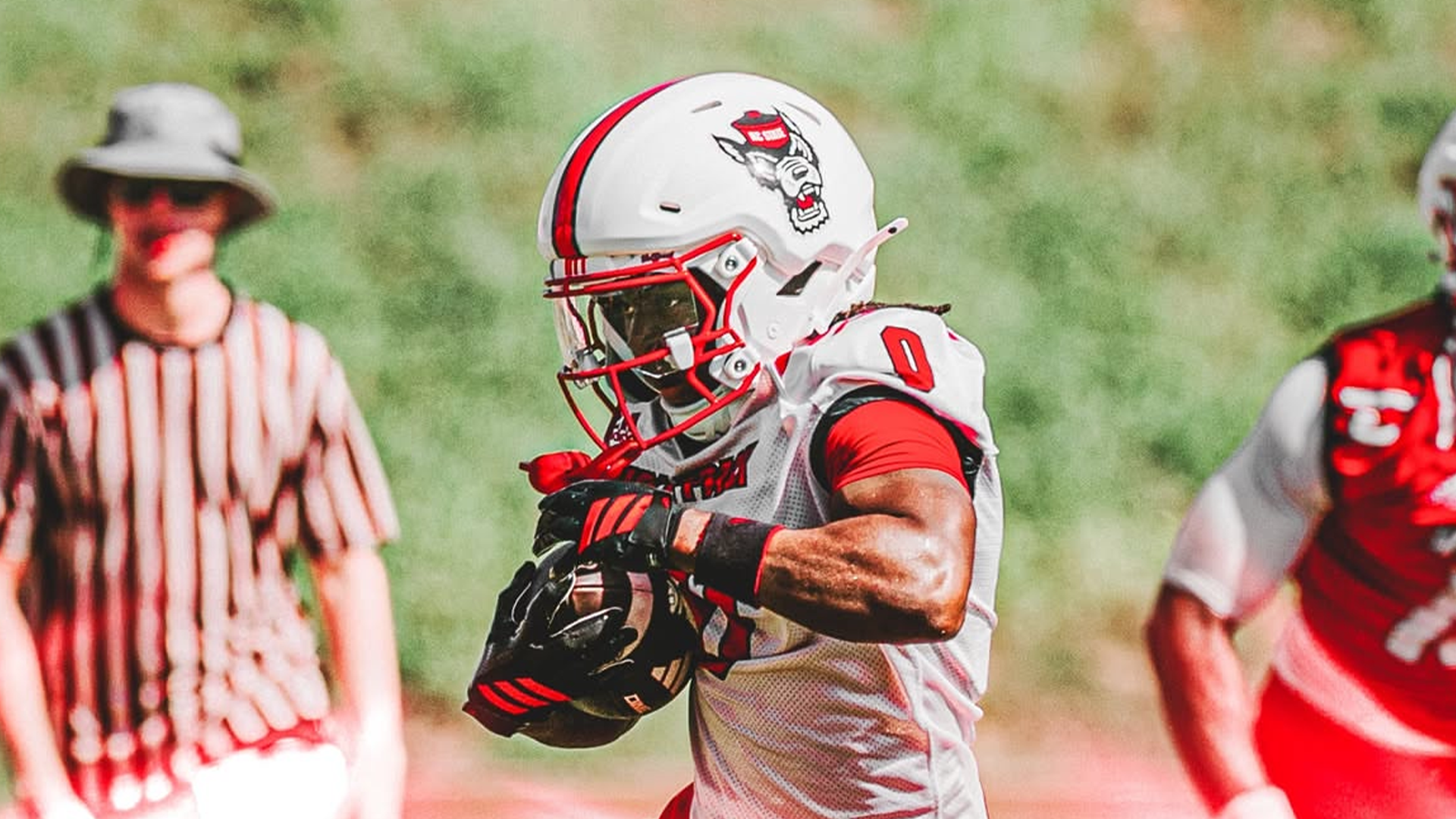
September marks a shift in football. Preseason preparation gives way to Friday night lights. Practice reps become game snaps. Rosters are set, routines take hold, and everything a program worked on during the summer starts showing up on the field. But there is one part of the routine worth reconsidering: Why should a piece of football safety equipment be considered important during practice, but optional when the game begins? For years, supplemental soft-shell helmet covers have largely been associated with practice. Players put them on for contact drills, take them off when practice ends, and return to their traditional helmet appearance on game day. That behavior is beginning to change. More coaches and football programs are looking beyond the idea of helmet covers as simply “practice gear” and considering how supplemental protection can become part of their broader culture of safety, including during games. For SAFR Sports, the idea is simple: If you’re going to buckle your seatbelt, why would you take if off as you begin accelerating? Player Safety Isn’t Just a Practice Priority Football programs have made tremendous strides in changing the way they approach player safety. Coaches have modified practice schedules. Contact periods are more carefully managed.